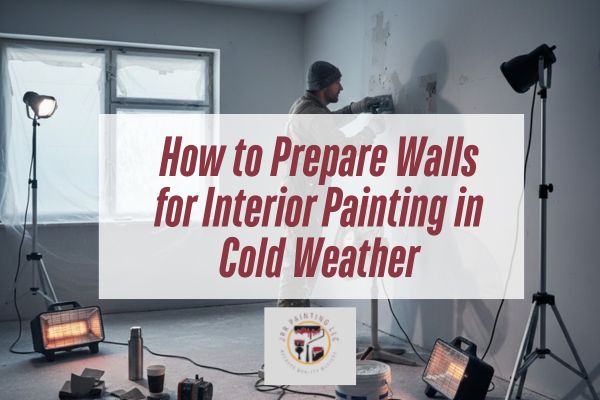
How to Prepare Walls for Interior Painting in Cold Weather
Painting indoors during Omaha’s cold winter months? It’s not as straightforward as it seems. Cold temperatures can significantly affect how paint dries and adheres to walls. If you’re planning an interior project during colder weather, it’s crucial to understand how to prepare your walls the right way.
In this guide, the experts at JRR Painting Omaha explain the best steps to prepare walls for interior painting in cold weather. From moisture control to choosing the right materials, we’ll help you avoid costly mistakes and get results that last.
Why Cold Weather Affects Interior Painting

Even when you’re painting indoors, the outdoor temperature plays a role in how your project turns out. In places like Omaha, winter temperatures often dip below freezing, which can impact interior conditions in several ways:
Slower drying times can lead to uneven finishes.
Cold walls may prevent paint from properly bonding.
Increased indoor humidity or condensation can create moisture problems.
These challenges make proper wall preparation more important than ever.
For more detailed seasonal advice, check out this guide from Anchor Paint Manufacturing Co. on interior painting during winter.
Step 1: Regulate Indoor Temperature and Humidity
Start by making sure the room you’re painting is climate-controlled. Most interior paints perform best when the ambient temperature is between 60 and 75 degrees Fahrenheit.
To create the right conditions:
Use space heaters to bring up room temperature if needed.
Close off drafty areas or unused rooms to maintain consistent warmth.
Monitor humidity levels. Ideal humidity is between 40% and 50%.
Check your specific paint product’s label. Some products are specially formulated for low-temperature application.
Step 2: Inspect and Repair Wall Surfaces
Cold weather often exposes more wall flaws, like cracks or peeling paint, which must be fixed before painting.
What to look for:
Peeling or bubbling paint
Water stains or signs of condensation
Cracks or surface damage in drywall or plaster
Steps to repair:
Scrape off peeling paint using a putty knife.
Sand rough or uneven areas.
Fill holes or cracks with joint compound or spackle.
Let repairs dry completely, then sand again for a smooth surface.
Step 3: Control Moisture and Prevent Condensation
Even with the furnace running, winter air can carry moisture that condenses on cooler surfaces like interior walls.
Moisture is a major issue when it comes to paint adhesion and longevity. You want walls to be completely dry before applying primer or paint.
Best practices:
Use a dehumidifier 24 hours before painting.
Run exhaust fans in bathrooms and kitchens.
Wipe down walls with a dry microfiber cloth to remove any moisture or dust.
If you're dealing with persistent moisture problems, see EPA’s guide on indoor humidity control.
Step 4: Clean the Walls Thoroughly
Cold air doesn't just slow drying it can also cause dust to settle more quickly. That’s why cleaning is a must.
How to clean walls before painting:
Mix warm water with mild detergent.
Use a sponge or cloth to wipe down surfaces.
In kitchens or bathrooms, use a degreaser for oily buildup.
Let walls dry fully before priming.
Need help with this step? Our team at JRR Painting Omaha can take care of the entire prep process for you.
Step 5: Apply a Quality Primer
In cold weather conditions, primer becomes even more important. It helps seal the surface, provides better paint adhesion, and ensures color consistency.
What to use:
Use a latex-based primer for general use.
For stained or patched areas, choose a stain-blocking primer.
If painting over dark walls, use a tinted primer to reduce the number of paint coats needed.
Primer should be applied after all repairs are complete and the walls are fully dry.
Learn more about selecting the right primer from Benjamin Moore’s painting guide.
Step 6: Use Cold-Weather-Compatible Paint
Not all paints are suitable for cold application. Some standard paints may not dry properly or bond well if temperatures drop below 50°F.
Recommended paint types:
Sherwin-Williams Duration Home® or SuperPaint®
Benjamin Moore Aura® Interior
Behr Premium Plus® Interior
These products are formulated for better performance in low-temperature environments.
Ask the pros at JRR Painting Omaha for help selecting a brand and finish that suits your space and goals.
Step 7: Allow Extended Drying Time Between Coats
Colder temps mean slower drying times. Rushing between coats can cause issues like:
Poor adhesion
Roller marks or brush strokes
Peeling or flaking later on
Drying guidelines:
Follow manufacturer instructions, but double the drying time if temperatures are low.
Ensure good airflow with fans but avoid open windows if outdoor humidity is high.
When to Hire a Professional Painter in Omaha

Winter interior painting isn't impossible, but it requires a bit more planning and care. If you're short on time or unsure about any of the prep steps, consider working with a professional.
At JRR Painting, we handle everything from wall prep to the final coat all year round. Our team uses premium products designed for cold weather and ensures your project is completed on schedule and on budget.
We proudly serve homeowners across the Omaha metro area, including Elkhorn, Papillion, La Vista, and Council Bluffs.
Frequently Asked Questions
Can I paint indoors in Omaha during winter?
Yes, as long as the space is kept at a proper temperature and humidity is controlled, winter interior painting is safe and effective.
What temperature is too cold for interior painting?
Anything below 50°F indoors can delay drying or cause paint failure. Always check your paint’s label for minimum application temps.
How long should I wait between coats in colder weather?
Most paints need 4 to 6 hours between coats under normal conditions. In cold weather, it’s safer to wait 8 to 24 hours.
Should I wash walls before painting in the winter?
Yes. Cleaning removes dust and oils that interfere with paint bonding, regardless of the season.
Get a Free Interior Painting Quote from JRR Painting Omaha
Don't let cold weather delay your home improvement plans. Whether you're refreshing a single room or repainting your entire interior, JRR Painting Omaha delivers clean, professional results — even during Nebraska's toughest winters.
Contact us today for a free, no-obligation quote and let our experienced crew take care of the work from prep to finish.